
Kitchen Plumbing System Components
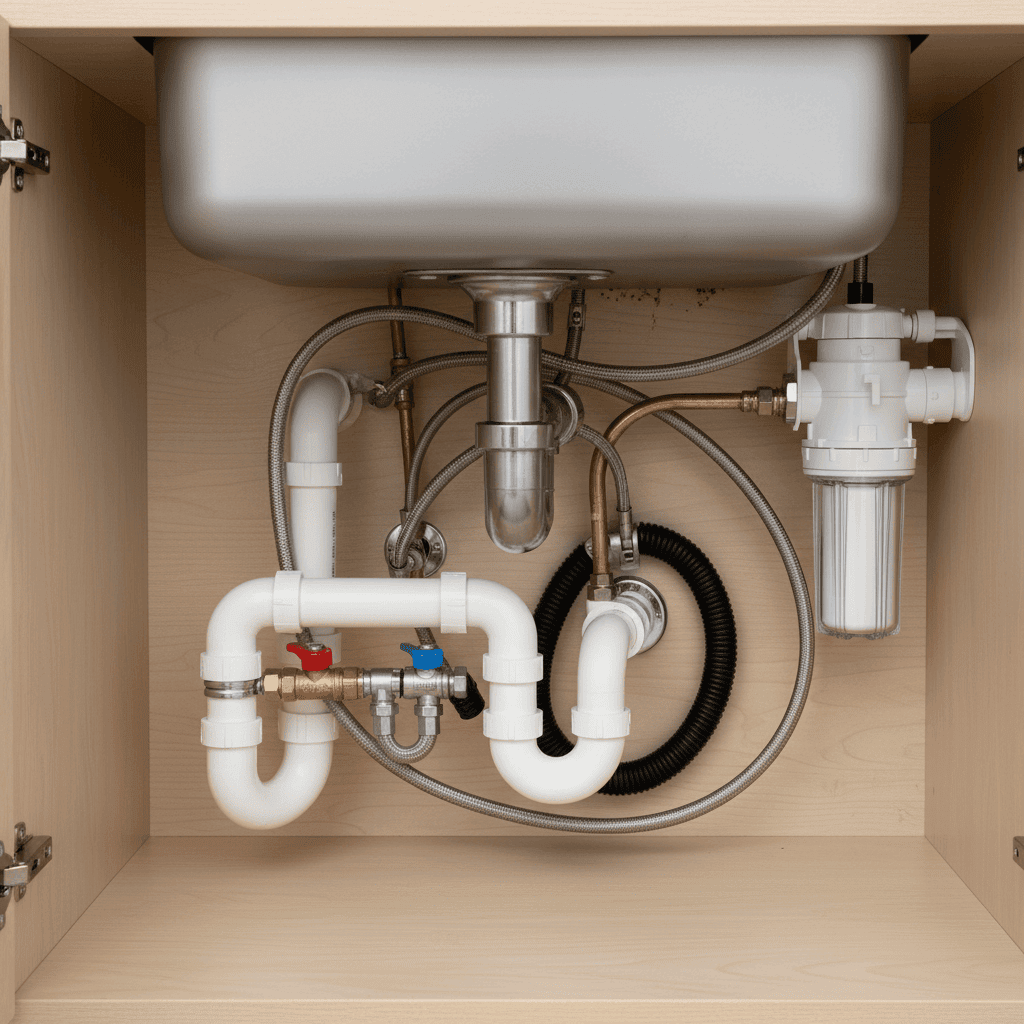
The kitchen is one of the busiest rooms in a home. Behind the scenes a network of pipes, valves and fixtures quietly keeps water flowing, drains moving and appliances working. Knowing the main kitchen plumbing system components makes it easier to spot trouble early, plan a remodel and choose the right parts and tradespeople for repair.
This article walks through key components you will find under the sink and behind the walls. You will get practical tips for maintenance, material choices, common failure points and when to consider replacing or upgrading parts. The goal is to give you confidence when reviewing plans, shopping for parts or talking with a plumber.
Main supply lines and shut off valves in a kitchen plumbing system
The supply lines bring cold and hot water from the house mains to the kitchen. Common materials include copper, PEX and flexible braided stainless steel. Each has pros and cons in cost, durability and ease of installation.
- Copper lasts for decades, resists high temperatures and works well with soldered connections. It is pricier and can be harder to work with on remodels.
- PEX is flexible, faster to install and cheaper than copper. It resists freezing damage better in some cases and uses crimp or push-fit connectors.
- Flexible braided supply hoses connect the shut off valve to the faucet. Replace these every 5 to 10 years as a preventive step against sudden leaks.
Shut off valves are small but crucial. Each fixture should have its own shut off so you can stop leaks or change a faucet without turning off water to the entire home. Ball valves and angle stop valves are common. Test them yearly to confirm they still move freely. A valve that is hard to turn may fail when you need it most.
Sink drain assembly and trap components
The drain system moves wastewater away and prevents sewer gases from entering the kitchen. Key parts include the tailpiece, P trap, trap arm and slip-joint connections. Most home issues involve clogs, leaks at joints or a deteriorated trap seal.
- P trap creates the water seal that blocks odors. Plastic traps are common and inexpensive; metal traps age well but can corrode at the slip joints.
- Tailpiece connects the sink strainer to the trap. Length and routing matter during installation to avoid unnecessary bends.
- Trap primer may be required in some installations to keep the trap from drying out when drains are rarely used. This is important in island sinks or secondary kitchens.
Common maintenance tips for drains
Clear slow drains promptly with a drain snake or by removing and cleaning the P trap. Avoid regular use of harsh chemical drain cleaners; they can damage seals and some types of pipe. Use a catch basket to trap food scraps and clean it frequently to prevent build up.
Garbage disposals, dishwasher connections and appliance interfaces
Modern kitchens often tie several appliances into the sink plumbing. The garbage disposal grinds food waste and connects to the sink drain. The dishwasher usually drains into the disposal or the tailpiece via a high loop or air gap to prevent backflow.
- Garbage disposal mounts to the sink and requires a separate electrical connection. Regularly check for leaks at the sink flange and the discharge fitting.
- Dishwasher drain should have a high loop or an air gap device above the cabinet level to prevent wastewater from coming back into the machine.
- Ice maker and refrigerator water lines often run from a tee off under the sink. Use a shut off valve dedicated to the ice maker so service can be done without disturbing sink plumbing.
Signs an appliance connection needs attention
Look for wet cabinets, water stains or a musty smell. Small leaks from a disposal or dishwasher hose can cause mold growth hidden behind cabinetry. If an appliance makes unusual noises or cycles oddly, the drain connection may be restricted or the venting might be inadequate.
Faucets, sprayers and water filtration components
Faucets are both functional and stylistic elements of a kitchen. Beyond the visible finish, pay attention to cartridge type, mounting style and connection standards. Cartridge faucets are common and allow simple replacement of the internally worn part without changing the whole fixture.
- Single handle cartridge simplifies temperature control while requiring a single mounting hole.
- Ball and ceramic disc mechanisms differ in durability and feel. Ceramic disc cartridges typically last longer with fewer leaks.
- Pull down sprayers rely on a weighted hose or spring return; the hose should be checked for wear and replaced if stiff or leaking.
Under sink water filtration and reverse osmosis systems add a small faucet and require dedicated drain and cold water connections. Plan space for the filter housing and for periodic filter changes. Label shut off valves for these systems so routine maintenance is simpler.
Venting, slope and code considerations for kitchen plumbing system components
Proper venting prevents slow drains and gurgling sounds by allowing air into the plumbing system. Inadequate venting causes siphoning of P traps and can lead to sewer gas smells. Many local codes have specific venting rules for appliance connections and island sinks.
- Maintain recommended pipe slope for drainage. A common rule of thumb is 1/4 inch per foot for horizontal runs to keep water moving.
- Use trap arms with the correct length and slope to the vent. Overly long trap arms can cause standing water and odors.
- Check local code for air gap or high loop requirements for dishwasher drains.
When planning a remodel, confirm vent locations and potential need for re-routing vent stacks. Moving a sink a long distance can create venting problems if not planned with the piping layout in mind.
Water heater, pressure regulators and backflow protection
The kitchen relies on the house hot water source, usually a water heater. For remodels consider the location, recovery rate and size of the heater relative to the household demand. Tankless electric or gas units provide hot water on demand but require higher electrical or gas capacity.
- Temperature and pressure relief valve on a water heater is a safety device. Do not cap it or bypass it.
- Pressure regulator protects fixtures from high incoming water pressure. High pressure shortens faucet and appliance life and can cause leaks.
- Backflow preventers are required where there is a risk of contaminated water re-entering the main supply, for example from a faucet with a hose attached.
Test pressure periodically with a simple gauge available at hardware stores. If static pressure is above manufacturer recommendations for fixtures, add or adjust a regulator to avoid premature wear on supply lines and fittings.
When to DIY and when to hire a professional for kitchen plumbing system components
Small tasks like replacing a faucet cartridge, changing a supply hose or clearing a P trap are realistic weekend projects for a homeowner with basic tools. Use quality replacement parts and turn off the correct shut off valves before beginning work.
Complex jobs such as relocating a sink, installing new venting, changing main supply lines or tying in new appliance hookups usually require a licensed plumber. A professional can verify code compliance, size pipes correctly and avoid hidden mistakes that lead to leaks and damage. If you are planning a full kitchen remodel and want plumbing changes handled with proper permits and trade coordination consider hiring expert help like kitchen plumbing services to manage the plumbing scope.
Practical tips before a remodel
- Map existing plumbing and take photos before demolition. This saves time when preparing new layouts and when discussing options with a plumber.
- Label shut off valves and test them. Replace any that are stuck or weepy.
- Consider moving supply shut offs to a more accessible location while the cabinet is open during a remodel.
Material selection and long term maintenance strategies
Choosing the right materials up front reduces repairs later. Use PEX for hard to reach runs and copper where soldered joints are preferred. Use stainless steel braided lines for fixture connections instead of older rubber hoses. Keep a small maintenance log that records when supply hoses, cartridges or disposals were replaced.
- Replace supply hoses every decade or sooner if wear appears.
- Service disposals by running cold water and a recommended cleaner periodically; avoid fibrous foods and starchy waste that cause jams.
- Inspect under sink cabinets yearly for leaks and soft wood; early detection avoids expensive cabinet and floor repairs.
Keeping these kitchen plumbing system components in good condition protects your home and saves money over time. Regular checks, timely replacement of worn parts and thoughtful choices during remodeling reduce surprises. Whether you are troubleshooting a leak, planning a layout or preparing for an appliance swap, this knowledge helps you get the job done right.
The kitchen is a high use area and small plumbing problems can become larger if left alone. If you are unsure about a diagnosis or if work involves opening walls, moving venting or changing main supply lines reach out to a licensed professional. A clear plan, a few preventive upgrades and routine checks keep water flowing where you need it and away from places it should not be. Ready to move forward with a remodel or need an inspection and quote contact a local plumbing expert for a site visit and written recommendations.